Drones Explained
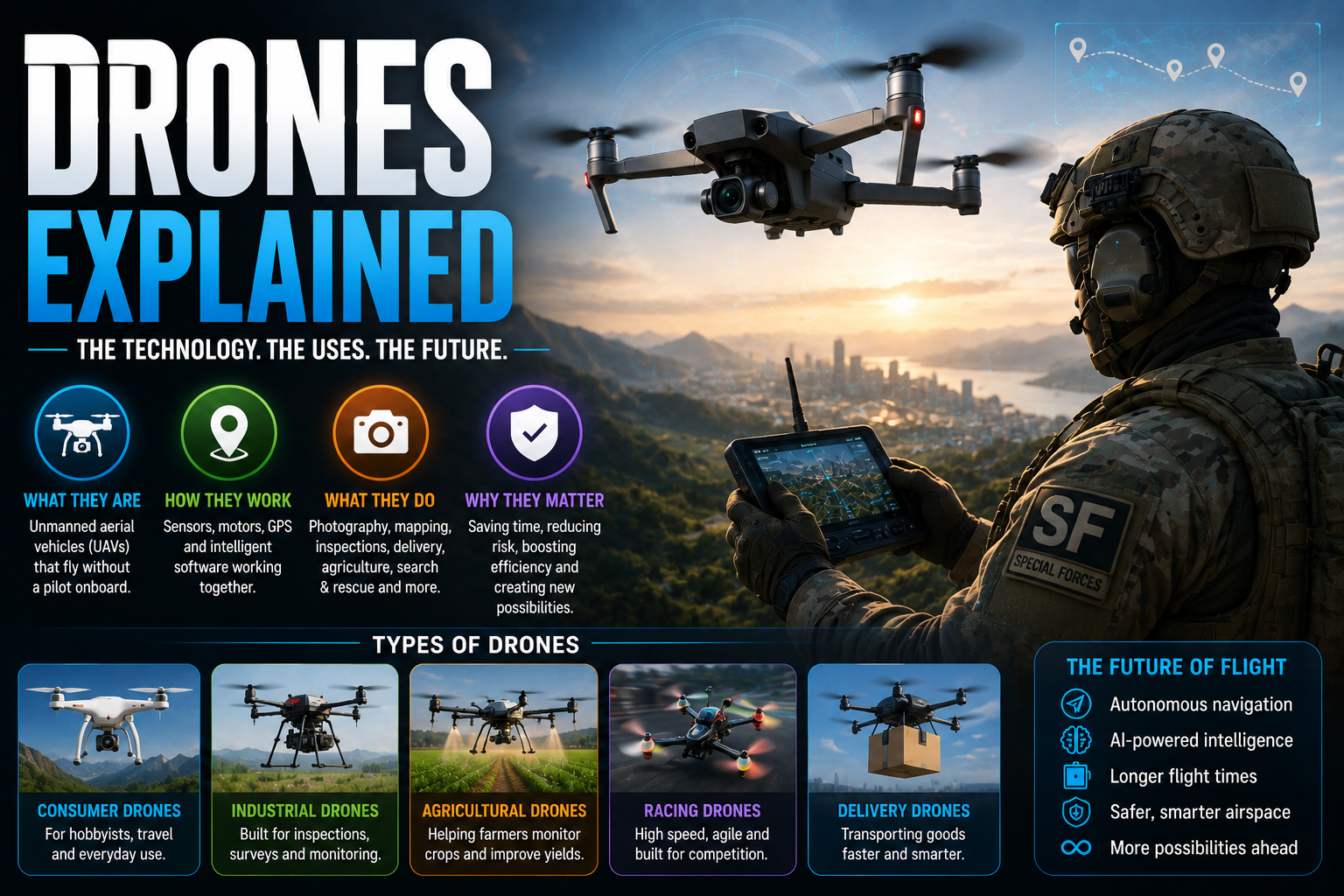
Drones have transformed from niche military tools into versatile technologies used by photographers, farmers, engineers, emergency responders, scientists, and everyday consumers. Officially known as Unmanned Aerial Vehicles (UAVs), drones have become smaller, smarter, and more affordable thanks to rapid advances in sensors, batteries, artificial intelligence, and navigation systems.
Today, drones are changing industries by improving efficiency, reducing costs, and enabling tasks that would otherwise be dangerous or impossible. From capturing breathtaking aerial photography to inspecting infrastructure and delivering supplies, drones are becoming an essential part of modern technology.
As autonomous machines continue becoming more capable, drones have also become an important part of the broader robotics ecosystem. Our complete guide to robotics and consumer robots explains how intelligent machines combine sensors, software, artificial intelligence, and physical systems to interact with the world.
Drones are also an important example of the emerging technologies reshaping transportation, automation, and connected systems. The Complete Guide to Emerging Technology and Innovation provides a broader look at how technologies such as artificial intelligence, robotics, advanced batteries, connected devices, and autonomous systems are changing the way people interact with technology.
This guide explains how drones work, their different types, common uses, key technologies, and the innovations shaping the future of unmanned flight.
What Is a Drone?
A drone is an aircraft that operates without a pilot onboard.
Depending on its design, a drone may be:
-
Remotely controlled
-
Semi-autonomous
-
Fully autonomous
Modern drones combine advanced electronics, sensors, software, and communication systems to fly safely and perform specific tasks.
Why Drones Matter
Drones provide fast, efficient, and cost-effective aerial capabilities.
Their benefits include:
-
Accessing hard-to-reach locations
-
Improving workplace safety
-
Collecting accurate aerial data
-
Reducing operational costs
-
Supporting emergency response
-
Enhancing photography and filmmaking
-
Automating inspections
As technology advances, drones are becoming increasingly valuable across many industries.
How Drones Work
A drone combines several technologies that work together to maintain stable flight.
Core components include:
-
Flight controller
-
Electric motors
-
Propellers
-
Battery
-
GPS receiver
-
Sensors
-
Cameras
-
Wireless communication system
The flight controller acts as the drone’s “brain,” continuously adjusting motor speeds to maintain balance and direction.
The combination of sensors, onboard computing, and autonomous decision-making also makes drones closely related to other forms of intelligent machines. These principles are explored more broadly in The Future of Robotics.
Drones also illustrate many of the same sensing, tracking, and spatial-awareness principles found in immersive technologies. The broader relationship between displays, sensors, tracking, and spatial computing is explained in How Augmented and Virtual Reality Technology Works Using Displays, Sensors, Tracking and Spatial Computing.
Main Parts of a Drone
Flight Controller
The flight controller processes information from sensors and controls the aircraft’s movement.
It helps manage:
-
Stability
-
Navigation
-
Altitude
-
Direction
-
Automatic flight functions
Motors and Propellers
Electric motors spin propellers to generate lift.
Changing the speed of individual motors allows the drone to:
-
Hover
-
Move forward
-
Fly backward
-
Turn
-
Climb
-
Descend
Battery
Most consumer drones use rechargeable lithium-based batteries.
Battery performance determines:
-
Flight time
-
Range
-
Payload capacity
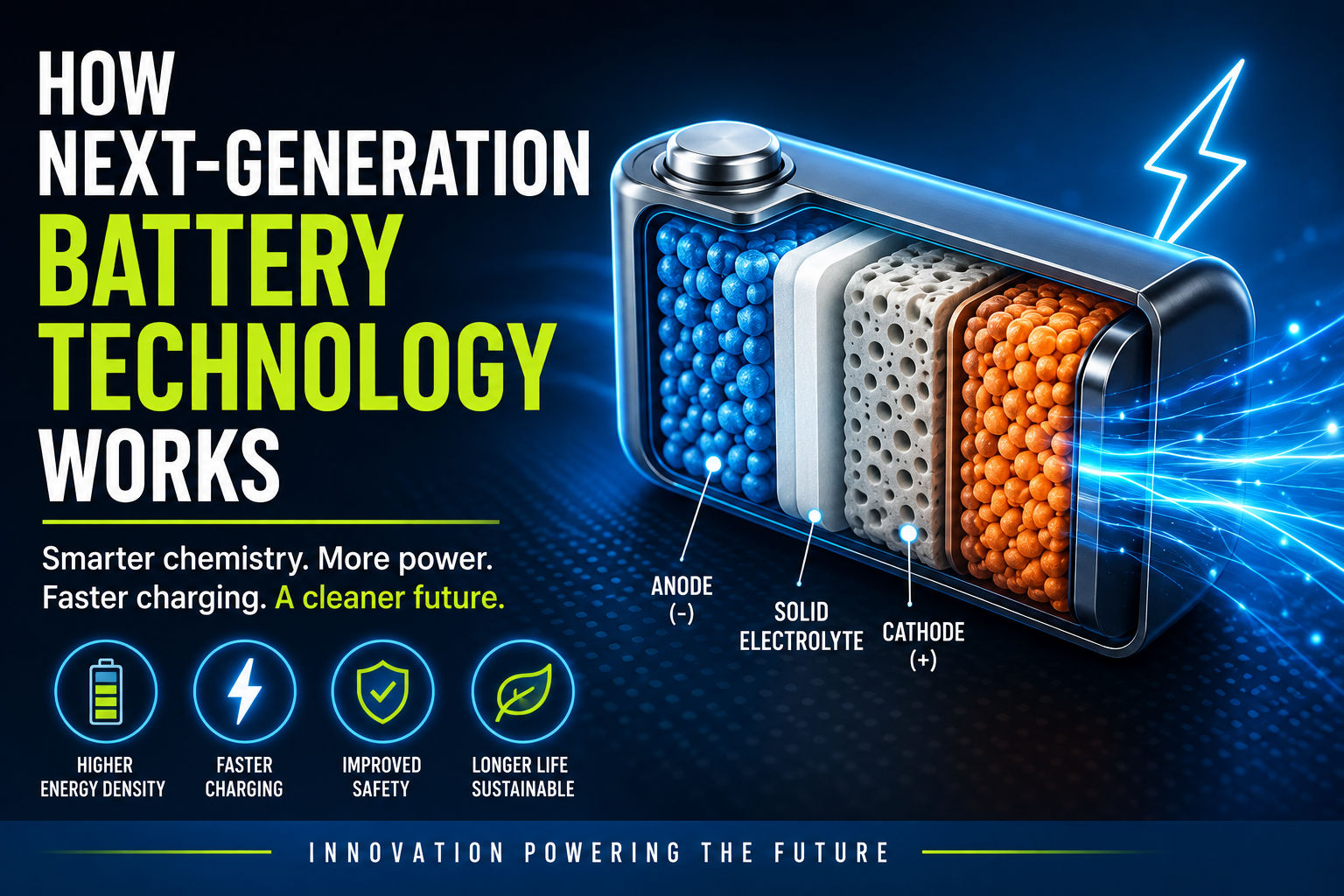
Manufacturers continue improving battery efficiency to increase flight duration. The development of higher-energy-density cells and alternative battery chemistries is also important for extending the operating time. How Next-Generation Battery Technology Works explains how emerging battery technologies could improve energy storage across applications such as electric vehicles, electronics, and autonomous machines.
GPS
Global Positioning System (GPS) technology enables drones to determine their location.
GPS supports features such as:
-
Automatic return-to-home
-
Waypoint navigation
-
Position holding
-
Route planning
Cameras and Sensors
Many drones include advanced imaging systems.
Common sensors include:
-
High-resolution cameras
-
Thermal cameras
-
Obstacle detection sensors
-
Infrared sensors
-
LiDAR
-
Multispectral imaging sensors
These technologies allow drones to perform specialized tasks beyond photography.
The importance of cameras and sensors extends beyond conventional aerial imaging. Similar sensing technologies help machines understand physical environments, while computer vision and tracking are also fundamental to Virtual Reality Explained and other immersive computing systems.
Types of Drones
Consumer Drones
Designed for recreational users, these drones are commonly used for:
-
Photography
-
Video recording
-
Travel
-
Personal projects
-
Learning to fly
They prioritize ease of use and portability.
Professional Camera Drones
Professional drones support:
-
Commercial filmmaking
-
Real estate photography
-
News reporting
-
Wedding photography
-
Content creation
They often feature advanced stabilization systems and larger image sensors.
Racing Drones
Racing drones are built for speed and agility.
Features include:
-
Lightweight frames
-
High-performance motors
-
Manual flight controls
-
Low-latency video transmission
Competitive drone racing has grown into an international sport.
Industrial Drones
Businesses use industrial drones for:
-
Infrastructure inspections
-
Construction monitoring
-
Mining operations
-
Utility maintenance
-
Surveying
Industrial models typically support specialized sensors and extended flight capabilities.
Agricultural Drones
Agricultural drones help farmers monitor crops and improve efficiency.
Applications include:
-
Crop health analysis
-
Irrigation monitoring
-
Field mapping
-
Fertilizer distribution
-
Pest management
Precision agriculture continues to expand drone adoption worldwide.
Common Uses for Drones
Aerial Photography
One of the most popular drone applications is aerial imaging.
Drones capture:
-
Landscapes
-
Sporting events
-
Weddings
-
Real estate
-
Travel content
-
Documentaries
Their unique perspective has transformed visual storytelling.
Search and Rescue
Emergency services increasingly use drones to:
-
Locate missing people
-
Assess disaster areas
-
Monitor wildfires
-
Deliver emergency supplies
-
Support rescue teams
Thermal imaging cameras help locate people in challenging conditions.
Infrastructure Inspection
Drones inspect:
-
Bridges
-
Wind turbines
-
Cell towers
-
Power lines
-
Pipelines
-
Solar farms
They reduce inspection time while improving worker safety.
Environmental Research
Scientists use drones to monitor:
-
Wildlife
-
Forests
-
Oceans
-
Glaciers
-
Wetlands
-
Air quality
Drone-based data collection supports conservation and environmental research.
Artificial Intelligence and Drones
Artificial intelligence is making drones smarter and more autonomous.
AI-powered features include:
-
Object recognition
-
Obstacle avoidance
-
Autonomous navigation
-
Flight optimization
-
Real-time tracking
-
Route planning
These capabilities reduce pilot workload and improve operational safety.
The growing use of AI for navigation, perception, and autonomous decision-making reflects the same technological direction shaping self-driving vehicles. For a closer look at how machines use sensors and AI to understand their surroundings and make decisions, see How Self-Driving Cars Work.
As drones gain more advanced perception and autonomous capabilities, they increasingly resemble other intelligent machines that can interpret physical environments and respond to changing conditions. This broader development is also closely connected to the Wearable Technology Guide, particularly as connected devices, sensors, and human-machine interfaces become more integrated.
Drone Safety
Safe drone operation requires responsible flying.
Important practices include:
-
Checking weather conditions
-
Maintaining visual contact
-
Respecting restricted airspace
-
Avoiding crowded areas
-
Monitoring battery levels
-
Following local regulations
Responsible flying helps protect people, property, and other aircraft.
Drone Regulations
Many countries regulate drone operations to promote safety.
Common requirements may include:
-
Registration
-
Pilot certification for commercial operations
-
Flight altitude limits
-
No-fly zones
-
Privacy protections
-
Visual line-of-sight rules
Requirements vary by jurisdiction, so drone operators should understand applicable local regulations before flying.
Challenges Facing Drone Technology
Despite rapid progress, drones still face several limitations.
These include:
-
Battery life
-
Weather sensitivity
-
Airspace restrictions
-
Privacy concerns
-
Noise
-
Payload limitations
-
Cybersecurity risks
Manufacturers continue developing solutions to address these challenges.
Future Innovations
The drone industry continues evolving rapidly.
Emerging technologies include:
-
Autonomous drone swarms
-
AI-powered navigation
-
Longer-lasting batteries
-
Hydrogen-powered drones
-
Advanced collision avoidance
-
Drone delivery networks
-
5G connectivity
-
Urban air mobility integration
These innovations could significantly expand the role of drones in both commercial and consumer markets.
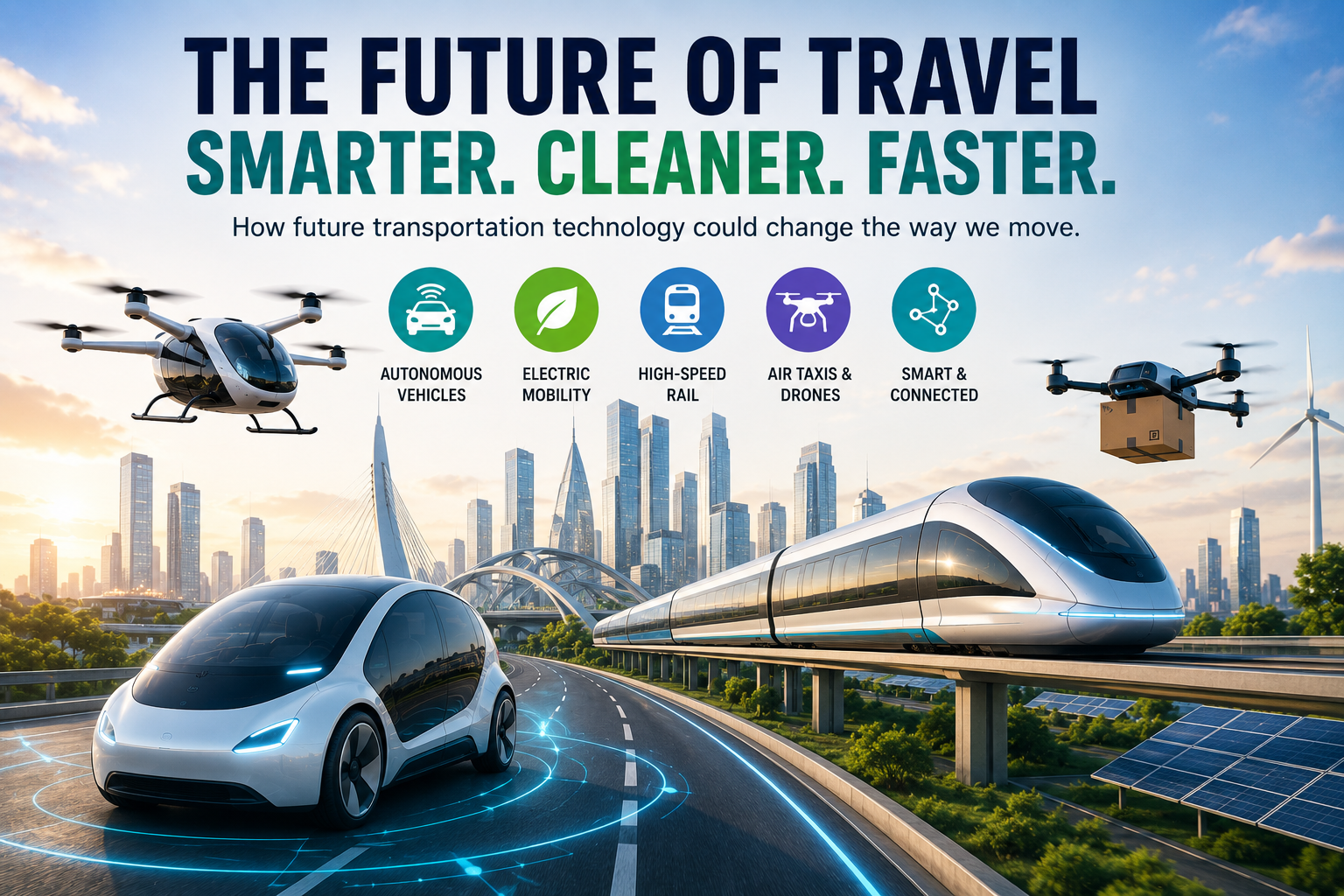
As drones become increasingly autonomous and connected, they also overlap with the broader development of intelligent transportation. How Future Transportation Technology Could Change Travel explores how autonomous systems and emerging transportation technologies could reshape the way people and goods move.
Drones and Smart Cities
Future smart cities may integrate drones into everyday operations.
Potential applications include:
-
Infrastructure monitoring
-
Emergency response
-
Traffic management
-
Environmental monitoring
-
Medical deliveries
-
Public safety
As supporting technologies mature, drones may become a routine part of urban infrastructure.
Their ability to communicate with connected infrastructure also places drones within the larger ecosystem of networked devices. The Internet of Things Explained provides a broader look at how connected devices exchange information and work together.
Looking Ahead
Drones have evolved into powerful tools that extend far beyond aerial photography. Advances in artificial intelligence, robotics, battery technology, and autonomous navigation are transforming UAVs into versatile platforms capable of solving complex challenges across industries.
Whether supporting agriculture, infrastructure, environmental research, emergency response, or creative media, drones are likely to play an increasingly important role in the future of technology. As innovation continues and regulations evolve, unmanned aerial systems are poised to become even more capable, accessible, and integrated into everyday life.
Frequently Asked Questions
What is a drone?
A drone, or Unmanned Aerial Vehicle (UAV), is an aircraft that operates without a pilot onboard and may be controlled remotely or fly autonomously.
What are drones used for?
Drones are used for photography, filmmaking, agriculture, inspections, environmental monitoring, emergency response, surveying, research, and many other applications.
How long can a drone fly?
Flight time varies depending on the model, battery size, payload, and weather conditions. Consumer drones commonly fly for around 20–45 minutes on a single charge.
Are drones powered by artificial intelligence?
Many modern drones use AI-assisted features such as obstacle avoidance, subject tracking, autonomous navigation, and intelligent flight modes, although not all drones are fully autonomous.
Do drone regulations vary by country?
Yes. Registration requirements, flight restrictions, pilot certification, and operational rules differ between jurisdictions, so operators should follow the regulations applicable where they fly.
Key Takeaways
-
Drones are unmanned aircraft used across consumer, commercial, industrial, and scientific applications.
-
Core drone components include flight controllers, motors, batteries, GPS, cameras, and sensors.
-
Artificial intelligence is enabling safer, smarter, and more autonomous flight capabilities.
-
Drones support industries ranging from agriculture and construction to filmmaking and emergency response.
-
Battery improvements, autonomous navigation, and advanced sensors continue driving innovation.
-
As technology evolves, drones are expected to play an increasingly important role in future transportation, infrastructure, and smart city ecosystems.